Blog / Jeff D'Ambrosio Volkswagen Service

7 Common Mistakes New Car Owners Make

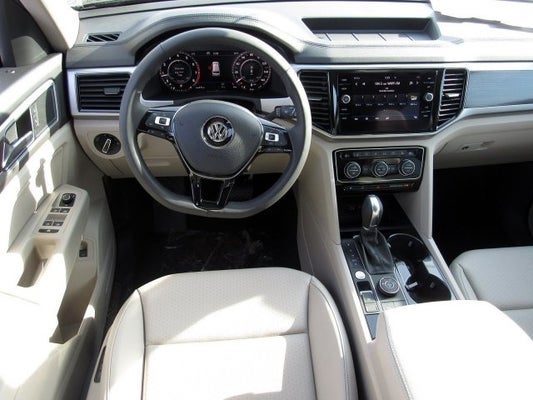
close-up shot of Volkswagen Interior
  Properly caring for your new VW can help it last longer. You can also maintain peak performance of your new Volkswagen and prevent costly repairs by avoiding the following seven common mistakes:

1. Not Understanding the Dashboard/Buttons

From the start, you should take the time to understand what all the lights on your dashboard mean. The symbols can relay valuable information about the engine, brakes, and operating temperature. Acting as soon as you see a warning light can save you money later.

2. Neglecting Replacements

It’s important to replace worn parts, especially windshield wiper blades. A worn pair can not only impair visibility but damage the windshield. Replacing wiper blades every six months can avoid replacing the glass. The same goes for the tires; check your tire pressure regularly, particularly when there’s a 10°F or greater temperature change and replace tires when the treads are 2/32” deep or less.

3. Waiting for an Oil Change

Without an oil change, dirt and grime can get into the engine and cause major damage. Changing the oil helps lubricate the engine and keeps it clean. You can check oil levels using the dipstick under the hood. While an oil change every 3,000 miles is no longer necessary, you should consider checking the oil every 5,000 miles or so and follow manufacturers’ recommendations.

4. Too Many Road Trips

Overuse can harm a motor vehicle, even if you buy a Volkswagen car new. Shorter road trips can be the hardest. A brief ride to the grocery store doesn’t give the engine proper time to warm up. This can cause oil, gasoline, and water to thicken inside the engine block, rather than burn off as fumes.

5. Not Cleaning Your Car Regularly

Keeping your car clean isn’t just for aesthetics. By washing it regularly, you can get rid of contaminants that can cause corrosion and damage to vital parts. You can wash it down with soapy water and a sponge, but your local car wash can get this done faster.

6. Putting the Car in Drive Right After Starting it

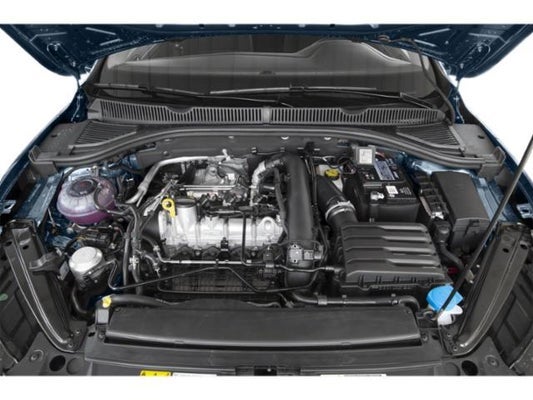
Driving immediately after starting the car is not good for the engine. It takes about 10 to 15 seconds for the oil to circulate and reach important components. For older cars, this takes even longer, and oil is thicker in cold weather, so you’ll need to give the vehicle more time (up to 30 seconds) to warm up. 2019 volkswagen jetta engine
7. Putting in the Wrong Kind of Gas

Some drivers add premium gas to improve performance and fuel economy. This is just a myth. Filling up with premium won’t have any benefit unless you enjoy spending more money than necessary. Octane is just a measure of how readily gasoline ignites. Always follow the manufacturer’s guidelines on what fuel grade to use. Located in Downingtown, PA, Jeff D’Ambrosio Volkswagen has the latest models on its lot, whether you’re seeking a 2019 VW, an upcoming 2020 Volkswagen, or a low-mileage used vehicle. Our service department can help maintain your vehicle. Call 888-585-7794 now or visit our dealership today to learn about available models, specials, and financing.
Posted in:

Related Posts

Winter Car Care Blog Image

Conquering the Chill: Winter Car Maintenance Must-Haves

As winter deepens its grip, it’s time to ensure our cars and trucks are ready for their annual winter-ready maintenance routines to weather the rest of the season. Let’s review some helpful winter maintenance tips to keep our rides running smoothly. Winterize Your Wiper Fluid: Swap your regular wiper fluid for a winterized blend during the winter months that won’t freeze in sub-zero temperatures. This ensures clear vision during snowstorms and sleet. Although winter wiper fluid is slightly more expensive, this blend resists freezing, ensuring clear vision during snowstorms. Defrost Windows Wisely: Don’t rely solely on your car’s defrost system, especially when starting with a heavily iced windshield. Use an ice scraper with rubber edges to avoid scratching your windshield with a de-icer spray. Depending on your area’s specific weather and temperature conditions, there are several types of scrapers to choose from: a classic rectangle, ice chipper, combo scraper/brush, and a mitt/glove scraper. Other options include a telescoping handle to reach windshields and the tops of cars; a squeegee edge to remove leftover slush and water; and a built-in de-icer dispenser. However, avoid applying de-icer directly to thick ice. Instead, begin scraping away large, manageable chunks of ice and snow. Focus on clearing your windshields to ensure you have visibility. Once you’ve removed the main bulk of ice, identify the remaining areas with thin and stubborn ice patches. Spray a small amount directly onto the ice rather than the whole windshield. Embrace the Shovel and Brush: Keep a sturdy snow shovel and snow brush easily accessible in your car. Clear away all snow from your vehicle, including the roof, hood, and headlights, before driving. In some states including Pennsylvania, the law requires motorists to remove as much snow as possible to avoid snow flying off while driving. Mind the Salt Spray: While road salt is necessary, it can be corrosive and damaging to your car’s undercarriage and paintwork. A key part of winter-ready maintenance is to be ready to hit the car wash or have the necessary car-washing materials at home. Regularly wash your car to remove salt, paying extra attention to the wheel wells and under body. Consider a touch-less car wash to avoid scratches. Boost Your Battery: The frigid cold weather snaps can zap your battery’s power, especially If your battery is nearing its end-of-life. As part of your winter-ready maintenance checklist, If your battery hasn’t been changed in the last three to five years (depending on how much you drive), consider replacing it prior to the next storm. Or, if you’re unsure of your battery’s condition or age, consider getting it tested to ensure it’s ready for the rest of the winter season. Check Your Tire Pressure: As part of your winter-ready maintenance routine, be sure to regularly check and adjust your tire pressure according to the manufacturer’s recommendation, including the spare tire. Most passenger cars will recommend 32 to 35 pound-force per square inch (PSI) in the tires when during the coldest months. Generally, you can find the PSI per your car on a sticker inside the driver’s door jamb or in your car owner’s manual. Proper inflation improves handling and fuel efficiency especially in the winter weather. Winter Gear Essentials: Lastly, a critical step is to keep an emergency kit in your car stocked with blankets, jumper cables, a flashlight, non-perishable snacks, water, and a first-aid kit. Also consider keeping a small bag of sand or cat litter to put down under your tires if you get stuck in the snow. If you’re heading out during the bitter cold and there’s an anticipated snow storm on the rise, be sure to fill up your gas tank as well to keep your heat on and engine running to stay warm in the event you get stuck due to inclement weather or road closures. During extreme winter weather events, stay informed about road closures and advisories. If possible, avoid driving unless absolutely necessary. Remember, your safety is paramount! Need advice or assistance checking your battery, windshield wipers, or tire pressure? At Jeff D’Ambrosio Service Center at Destination Downingtown, our technicians are here to help! Visit our website to inquire more about our services or to schedule a service appointment.

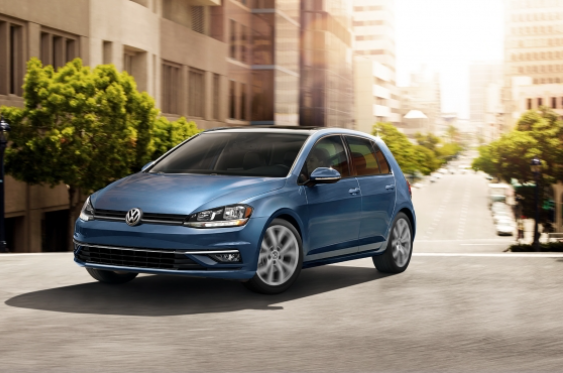
2017 volkswagen golf

The Top 9 Volkswagen Awards for 2019 Models

If you are considering buying or leasing a Volkswagen for sale, you might be surprised to discover the numerous awards Volkswagen models have received for 2019. These awards show the company’s commitment to building quality vehicles to provide an enjoyable driving experience for drivers of all ages. 1. 2019 Good Housekeeping’s New Car Award The 2019 Volkswagen Golf was selected by Good Housekeeping for this award. Part of the selection criteria included rating vehicles on safety, handling, technology, value, and design. Each vehicle evaluated was driven more than 5,000 miles. 2. 2019 U.S. News & World Report Best New Cars for Teens Award The 2019 Volkswagen Jetta was selected for this award. Vehicles were evaluated on reliability, crash test scores, price, technology, and driver assistance/safety features. The 2019 Jetta placed well in each of the selection criteria and came out on top as the winner. 3. 2019 5-Star NHTSA Safety Ratings The 2019 Golf, Golf GTI, Golf Alltrack, Golf SportWagen, Passat, Jetta, Golf R, and Atlas were all awarded a 5-star safety rating by the National Highway Traffic Safety Administration (NHTSA) 4. 2019 Motorweek’s Best Large Utility Drive’s Choice Award The 2019 Atlas was selected as the Best Large Utility vehicle by drivers. This is award is chosen by drivers of various vehicles voting on their favorite vehicle in each vehicle class based on safety features, value, technology, and overall value. 5. 2019 Popular Mechanics Hatchback of the Year Award The 2019 Volkswagen Golf GTI won this award based on its performance in different categories, including acceleration, engine, features, options, safety, and technology. 6. 2019 Kelley Blue Book Most Awarded Brand Eight Volkswagen models received Kelley Blue Book Awards in different categories, which qualified Volkswagen to be listed as part of the 10 Most Awarded Brands of 2019. Models include: 2019 Passat: 10 Most Comfortable Cars Under $30K Award. 2019 Golf: 10 Coolest New Cars Under $20K, 10 Coolest Cars Under $30K, and 10 Best All-Wheel-Drive Vehicles Under $30K Awards. 2019 Atlas: 10 Best Road Trip Cars of 2019 and 12 Best Family Cars of 2019 Awards. 2019 Jetta: 10 Coolest New Cars Under $20K and 10 Best Sedans Under $30K Awards. 7. Cars.com Best Compact SUV of 2019 Award The 2019 Tiguan was selected for this award based on quality, innovation, and value. 8. Vincentric Best Value in America 2019 Award Both the 2019 Volkswagen Passat and 2019 Volkswagen Beetle were selected as Best Value vehicles by Vincentric. 9. Car and Driver 2019 10 Best Award Volkswagen Golf awards included the 2019 e-Golf, Golf, Golf GTI, Golf Alltrack, Golf R, and Golf SportWagen. This award is based on 10 of Car and Driver’s most favorite vehicles for the 2019 model year based on performance, driver satisfaction, and value. As you are shopping 2019 or 2020 model years, you can buy or lease with confidence knowing Volkswagen has placed safety and quality as its #1 priority, with access to the latest technologies. To find the right Volkswagen for sale in the Downington, PA area, please feel free to stop by Jeff D’Ambrosio Volkswagen today for a test drive. You may also call our Volkswagen dealer at 888-585-7794 if you have questions, want to learn about getting prequalified for a lease or loan, or want to schedule your test drive.

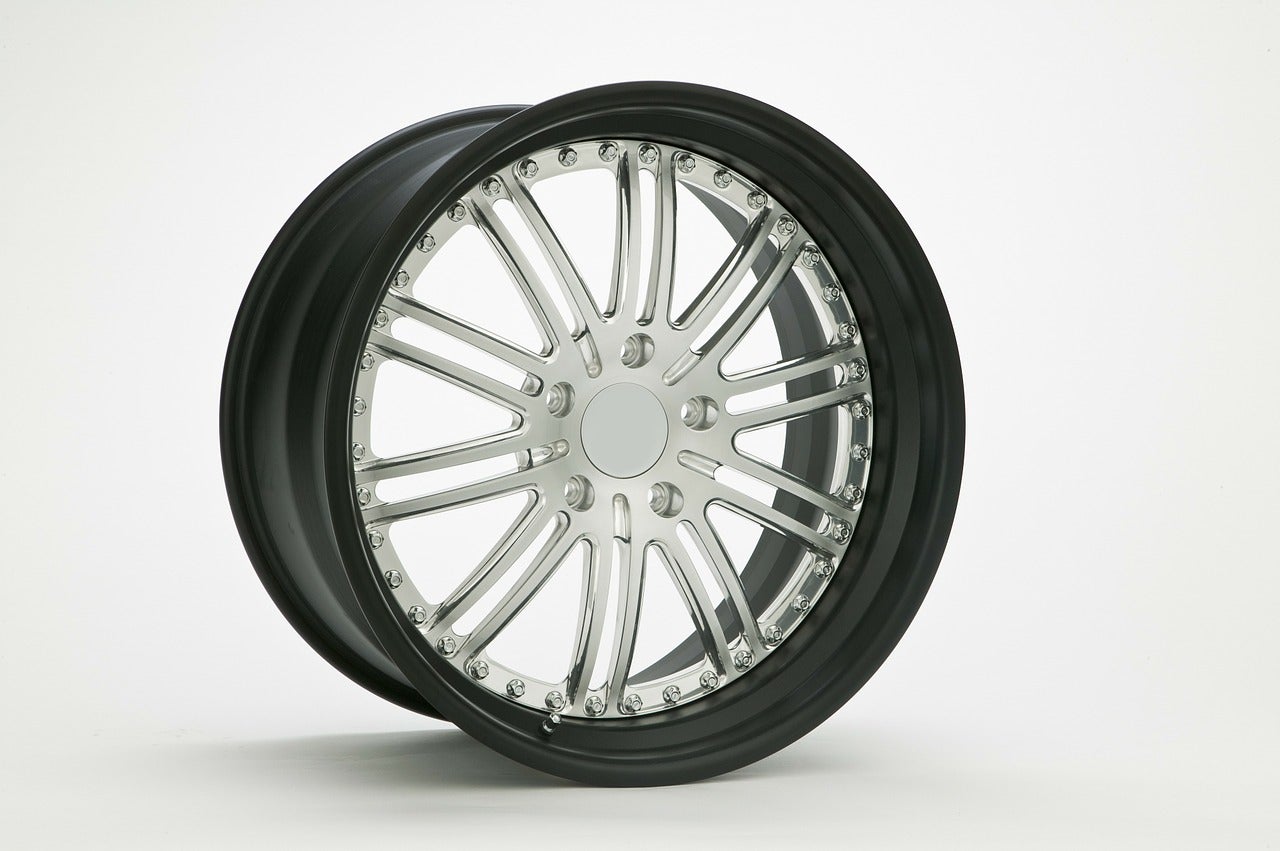
car metal disc rim

Knowing Which Rims Are Best for Your Volkswagen

If you’re ready to swap out your Volkswagen rims for something different, there are a few things you’ll need to be aware of before you buy them. Read on to discover important information about what to look for when shopping for new rims. Know Your Sizing One thing that makes a difference when buying these Volkswagen parts is their sizing. The bolt pattern is the first thing to look at. Among VW vehicles, a common pattern is 4x100. The 4 refers to the number of lug holes, and the 100 designates the spacing between each bolt, measured in millimeters. If this is not the bolt pattern on your vehicle, then you’ll have to count and determine spacing with a tape measure. Another aspect of sizing will be the diameter and width of your wheels. While this won’t matter if you’re just replacing tires with stock ones, it will make a difference if you’re planning to use larger tires, because it will affect the amount of clearance they have. Offset is also vital information to have handy. Offset relates to the position of the mounting pad on the wheel as it relates to the wheel’s center line. This measurement is important to know because matching offset correctly will prevent rubbing and interference within the braking system and for other components. Understanding VW Rim Materials and Manufacturing Vehicle rims can be made of alloy, chrome, or steel. Alloy rims are very light and, therefore, they offer the best performance because aluminum is the primary metal used to make them. Chrome rims are not made of chrome; they are coated in chrome, which protects the rim against oxidation and gives wheels more shine. Steel rims are also available; however, because they are so heavy, these rims will affect how fast your vehicle can go, how well it handles, and how fuel-efficient it will be. Because of its density, steel will hold heat, which may cause brake damage over time. Rims can be either cast or forged. Casting involves pouring or forcing liquid metal into a mold, whereas forging involves milling hot metal pieces into a wheel shape. Along with the difference in their manufacturing, cast and forged rims will also offer different strengths, with forged wheels being lighter and stronger than their cast counterparts. However, they also tend to cost more. Where to Find the Right Rims If you’re ready to start rim shopping,  the best place to begin can be at a Volkswagen dealer. They can ensure that the rims you want will fit your vehicle, and you can benefit from their product knowledge and experience about which rims are best for your VW’s make and model. Rims, Accessories, and More If you’re in the market for quality rims, parts, and accessories, or you want to test drive a VW in Downington, look no further than Jeff D’Ambrosio Volkswagen. We guarantee all our genuine VW parts so that you can shop with confidence. Learn more about everything we offer by visiting or calling us today: 888-585-7794.